Commercial cleaning and food hygiene professionals in Brampton assist food establishments, food centers, baking facilities, warehouses, and food service operations maintaining standards. They decontaminate high-contact points, food preparation surfaces, equipment, floors, drains, restrooms, and prep zones using certified products, at correct dilution, and recording exposure duration. You require scheduled cleaning based on hazard level, volume, food allergies, and regulatory assessments, plus verification records backing HACCP, quality reviews, and regulatory adherence. The following information explains what strong sanitation programs should include.
Essential Summary
- Sanitation professionals in Brampton cater to restaurants, grocery departments, commissaries, warehouses, bakeries, schools, mobile vendors, and allergen-sensitive operations.
- Cross-contamination avoidance is ensured by cleaning high-touch surfaces, food-contact equipment, kitchens, floors, drains, restrooms, and storage areas with sectional methods.
- Validation of approved sanitizer dilution, alignment, and exposure duration is executed by trained providers, with conclusion documented using swabs, reviews, and correction logs.
- Threat, production rate, switches, incidents, and standards must direct hygiene schedules, with routine, regular, and periodic operations assigned by section.
- Contractors should exhibit hazard analysis knowledge, public-health competency, safety training training, liability, testimonials, color-categorized equipment, and assessment-ready hygiene files.
Brampton Operations That Need Food Safety Cleaning: Which Ones?
Brampton facilities that deal with, maintain, prepare, package, or provide food require food sanitation. Implement it if your business is falls under health reviews, food regulations, or HACCP protocols. The requirement covers dining establishments, employee cafes, food distributors, market sections, meat shops, fish counters, local shops, and commercial kitchens.
Adherent hygiene cleaning is furthermore necessary in storage warehouses, production plants, freezer facilities, bakeries, school nutrition services, reception halls, and meal delivery centers. Mobile and temporary establishments apply similarly, such as catering vehicles, festival sellers, and pop-up stands. Your facility needs recorded sanitation procedures should your workers work with ingredients, section finished dishes, heat items, or keep allergens organized. In Brampton, cleanliness is not optional; it comprises statutory, functional, and public health standards.
What Do Brampton Cleaning Professionals Handle?
Your operation needs cleaning professionals who sanitize all high-touch areas, cooking and food prep areas, floors, and toilet facilities to maintain food safety compliance and public health standards. These specific areas are emphasized because they represent the most significant contamination risk, hazardous walking conditions, and breaches of sanitation codes.
If you grasp what they sanitize, you'll successfully ensure your operation satisfies all operational and regulatory compliance needs.
Disinfecting High-Touch Points
Skilled Brampton janitorial staff appreciate that high-touch surfaces require cleaning since these areas contain pathogens and debris. You require a written protocol for sanitizing all high-touch items including handles, plates, switches, railings, control surfaces, POS systems, and refrigeration equipment. Applying touchpoint mapping, teams locate every frequently handled area and determine cleaning schedule
confirm that disinfection was successful and facilitate corrective actions if results come exceed acceptable limits
Food Prep Areas, Flooring, and Sanitary Facilities
Professional cleaners in Brampton concentrate on kitchens, floors, and restrooms given that each location involves distinct contamination control, slip-and-fall, and health code requirements. In industrial kitchens, you need grease removal from cooking stations, appliance surfaces, drain systems, preparation areas, and backsplashes to minimize contamination and pest pressure.
Floor care that is recorded should also be anticipated. Technicians clean and remove buildup from tile grout, ceramic surfaces, and vinyl floors, then apply suitable dehydration methods so you can reduce slip incidents and maintain code-compliant conditions. They also handle entry points where dampness and dirt enter the building.
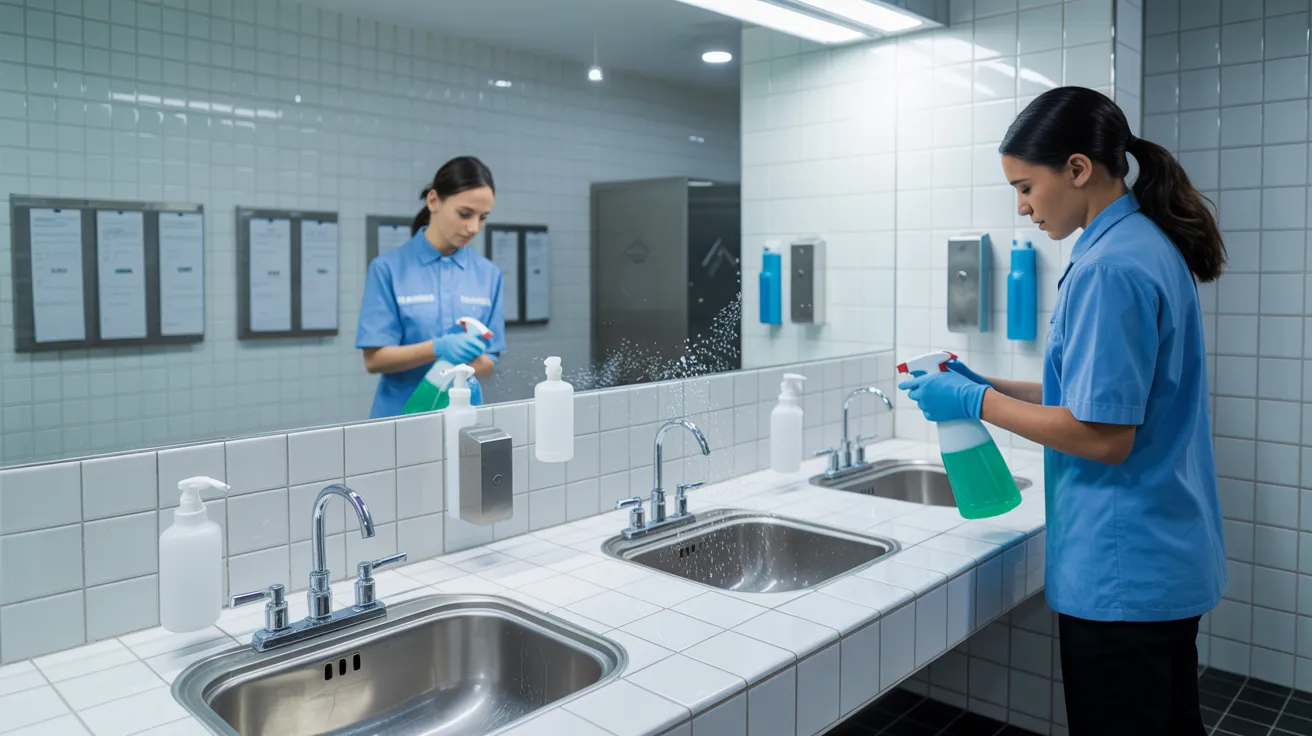
Restroom cleaning requires disinfecting touchpoints, fixtures, partitions, dispensers, and waste containers, replacing items and managing smells. They also service restaurant moprooms, where chemical storage, sink hygiene, and drainage conditions can affect sanitation compliance and staff safety daily.
The Importance of Food Safety Cleaning in Brampton
Brampton businesses need to implement proper sanitation practices for meeting legal standards and obtaining approval. You also reduce cross-contamination by cleaning and sanitizing food-contact surfaces, equipment, and high-touch areas correctly. Most importantly, you help protect community wellness by reducing the chance of food poisoning in your establishment.
Health Code Compliance
Since Brampton food establishments must follow mandatory safety protocols, your food safety cleaning directly determines your ability to meet health codes, protect diners, and sidestep regulatory penalties. You must maintain clean food preparation areas, recorded sanitation plans, safe chemical management, and auditable operational standards that comply with municipal and provincial inspection expectations.
During regulatory examination of your operation, regulators assess whether your cleaning program facilitates secure product handling, appliance cleanliness, refuse management, and washroom maintenance. Strong cleaning records help you to prove due diligence during regulatory audits and demonstrate that your operations are consistent, replicable, and tracked.
Cross-Contamination Prevention
Maintaining regulatory compliance copyrights on your capacity to prevent cross-contamination during everyday food preparation and sanitation. You must separate raw ingredients from ready-to-eat foods, sanitize prep surfaces between tasks, and store chemicals away from food-contact items. Explicit protocols lower contamination threats and reinforce steady regulatory adherence.
Implementing allergen separation helps ensure major allergens don't touch shared surfaces, containers, or equipment. Utilize separate boards, color-labeled items, and clear tool marking so workers don't combine products while preparing or distributing. Enforce hand hygiene following raw meat, seafood, eggs, or allergen-containing products. Replace wiping cloths regularly, and validate disinfectant levels using test strips. When your team learns these guidelines per shift, you establish a more hygienic, safer workplace that meets Brampton's food safety expectations daily.
Public Health Safeguarding
When sanitation efforts deteriorate, you don't only risk a failed inspection—you raise the likelihood of food contamination striking customers, staff, and the larger Brampton community. You also undermine your responsibility in safeguarding community wellness, especially in high-traffic food premises where contamination can spread quickly through surfaces, equipment, and touchpoints.
You need sanitation procedures that remove soils, disinfect properly, and confirm effectiveness. That means following exposure periods, using approved disinfectants, documenting schedules, and educating employees to meet regulatory standards. These controls support pathogen reduction by lowering microbial loads before they reach food or hands. In Brampton, strong sanitation protects vulnerable populations, prevents disease spread, and enables you to show proper care. When you clean to standard, you exceed basic requirements—you actively reduce risk and promote secure food handling throughout the region.
How Can Cleaning Practices Ensure Food Safety Compliance?
Maintaining comprehensive cleaning schedules ensures food safety compliance by reducing contamination risks, managing pathogen expansion, and keeping your facility compliant with sanitation requirements under HACCP-based programs and public health regulations. You verify that food-contact surfaces stay visibly clean and microbiologically controlled, supporting documented preventive controls and inspection readiness.
Conscientious cleaning moreover solidifies allergen mitigation by eliminating residues that can trigger undeclared allergen exposure. When you integrate validated sanitation procedures with compliance training, your staff can follow uniform procedures, handle approved chemicals properly, maintain records accurately, and handle deviations ahead of escalation occurs. Systematic cleaning enables audit trails, verifies remediation efforts, and exhibits commitment during audits. Furthermore, it aids you maintain product integrity, preserve compliance standards, and decrease the risk of compliance actions, product recalls, grievances, and unnecessary health dangers.
How Do You Arrange Commercial Cleaning Services?
You'll find the best results from cleaning plans that incorporate risk levels, output volume, and legal mandates rather than a full information unchanging calendar system alone.
Arrange cleaning prior to and following promotional events, functions, or public [[functions for smooth event transitions.
Selecting the Right Brampton Cleaning Experts: Key Considerations
Start by screening providers against food sanitation standards, not price alone. You should verify that each company understands CFIA, public health, and HACCP compliance standards relevant to your facility. Ask for insurance documentation, WHMIS compliance, documented staff training, and supervision practices. Review whether technicians understand contamination prevention, chemical handling, and traceable sanitation records.
You should also assess operational reliability and accountability. Request references from food facilities in Brampton, then examine turnaround periods, corrective-action procedures, and communication standards. Confirm the company supports supplier audits and can present audit-ready records when regulators or third parties request evidence. Check whether equipment maintenance is performed, colour-coded tools are used appropriately, and facility-specific risks are recognized. A qualified provider protects regulatory adherence, product integrity, and your brand reputation.
What's included in a sanitation cleaning strategy?
Document a framework that defines every sanitation task, standard, and responsibility before starting production. You should include cleaning schedules, approved products, ratios, contact periods, tools, and validation approaches for each area, surface, and device. Remember to add pre-operational inspections, corrective actions, and employee training requirements.
Your strategy should also focus on contamination prevention controls, waste handling procedures, pest management measures, and written schedules for restrooms, drains, floors, and food-contact areas. Describe how you'll keep raw and ready-to-eat processes separate, support ingredient tracking, and ensure accurate allergen labeling through validated cleaning between product changes. You should set accountability, maintain signed records, and review results against regulatory standards, HACCP controls, and customer requirements. When gaps appear, modify procedures immediately and retrain staff.
Frequently Posed Questions
Do sanitation providers operate during nighttime hours at Brampton properties?
Yes, you can schedule cleaning services to support nighttime operations in Brampton facilities. You'll arrange nighttime cleaning around operational schedules, access controls, and personnel needs. Services generally outline overnight procedures to minimize interruption, maintain compliance, and document completed tasks. You should confirm response times, supervision, lockout procedures, and disposal methods before service begins.
Do sanitation professionals offer hazard containment solutions?
Yes, you can locate several Brampton cleaning professionals offering emergency response options. They manage hazardous materials, assess dangers, isolate zones, and execute rapid cleanup to minimize risk and limit operational impact. You should verify response times, certifications, protocols, and disposal methods. If your facility must meet standards, choose a service that logs events, maintains standards, and supports audits.
Do eco-friendly disinfectants operate safely on surfaces contacting food?
In essence, plant-based sanitizers function safely for food-handling equipment provided you source items marked food-safe that comply with regulatory requirements. Validate application timing, mixing proportions, and rinse requirements prior to application. Natural-based solutions minimize toxic chemical contact, although you need evidence of effectiveness against specific pathogens. To keep residue-free areas, stick to exact manufacturer guidelines and ensure the sanitizer adheres to applicable food industry sanitation standards.
Can sanitation programs flex with seasonal production changes?
Certainly, maintenance plans respond to seasonal production changes well. Adapt intervals, personnel, cleaning agents, and verification steps to fit with operational cycles while maintaining compliance standards. Lower operational delays via planning sanitation amid equipment transitions, peak volumes, and equipment use patterns. Additionally modify written procedures, training, and environmental monitoring to address seasonal hazards, additional allergens, or elevated soil levels. Regular reviews ensure the plan functional.
Do commercial cleaners train staff on sanitation best practices?
Absolutely, professional cleaning companies frequently provide staff training on hygiene standards. Your staff receives training on proper chemical use, dwell times, contamination avoidance, equipment disassembly, and documentation. They generally match instruction with HACCP, GMP, and CFIA or local public health requirements. Many also perform health inspections to verify compliance, identify gaps, and reinforce corrective actions. This enables you to sustain uniform standards, pass inspections, and lower contamination dangers routinely.
Closing Remarks
Partnering with Brampton commercial cleaning and food safety experts means more than cleaning—it guarantees your operation stays inspection-compliant and your protocols remain compliant. From processing facilities to kitchens, each cleaned area and organized section lessens contamination risk and avoids costly disruptions. By scheduling maintenance on appropriate schedules and executing a comprehensive cleaning strategy, you shield your workforce, clients, and your image. In a tightly controlled market, clean environments are non-negotiable—they're critical to business success.